
Currently Empty: $0.00
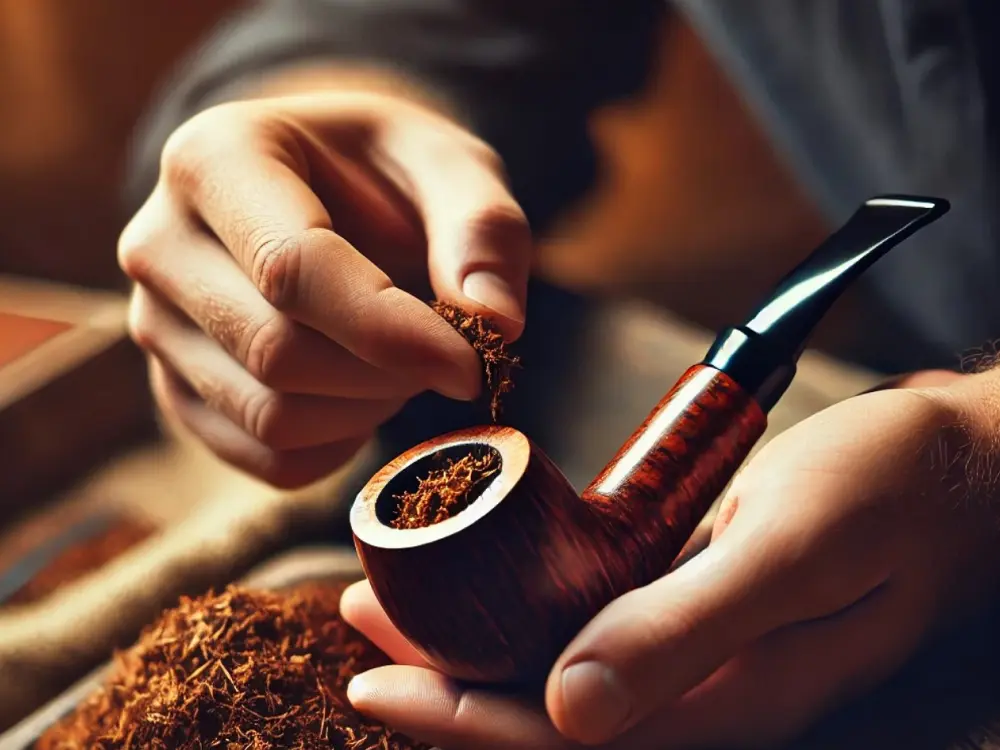
Do you also get frustrated when you are sitting with your favorite smoking pipe, ready to enjoy a relaxing smoke, but it keeps going out or burns too hot? The reason for this could be poorly packed pipes, and both beginners and experienced smokers can make this mistake.
Filling up a smoking pipe may seem simple to look at, but doing it the wrong way can ruin the experience for you. In this article, we will discuss top solutions on how to pack a pipe like a professional that will result in a good smoke for you.
Part 1. Why is Pipe Packing Important? Understanding The Reasons!
Packing a pipe is certainly more than just filling up the bowl with smoking content; it is an essential process that can affect your entire smoking experience. Mentioned below are a few of the reasons that describe why proper pipe packing is important for smokers:
- Allows an Even Burn: The smoke is even, and there is less chance of unburned tobacco left within the bowl when the smoking pipe is filled and packed appropriately.
- Enhances the Flavor and Aroma of the Smoke: A finely-packed tobacco pipe allows smokers to enjoy the content to the fullest with perfect aroma and flavor.
- Helps Maintain Proper Airflow: The correct packing makes sure that the air flows smoothly through the pipe while you are smoking.
- Minimizes Frequent Re-lightening: If the smoking device is not packed correctly, the pipe will go out more frequently, leading to constant re-lighting of the pipe.
- Prevents Buildup of Moisture and Residue: Overpacking of the pipe is not recommended as it may cause stuffing and create a buildup of residue and moisture within the pipe.

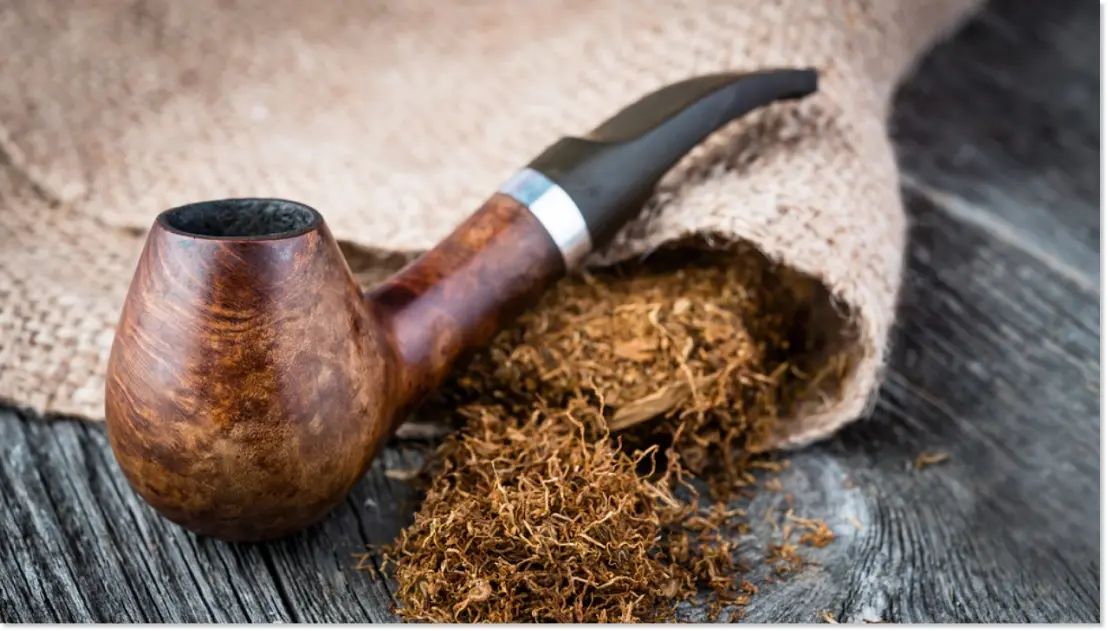
Part 2. How to Pack a Pipe: Featured Guide For All
Smokers of all levels try different techniques to pack their pipe, depending on their needs and preferences. Mentioned below are the top 3 methods used for easily packed pipe:
1. Three-Layer Method
One of the most common methods used to fill up the smoking pipe is the three-layer method, as it ensures a well-structured and even burn. The foundation is loose at the bottom, and the compression increases gradually, leaving the smokers to enjoy every bit of the aroma and flavor. If the method is done correctly, the three-layer method helps prevent common issues such as excessive re-lighting or harsh drawing.
By layering the tobacco with multiple layers of compression, the flow of the burn within the bowl from top to bottom. To learn how to use this technique, follow the steps mentioned below:
Step 1. Initial Sprinkle
Start by lightly sprinkling the tobacco in the bowl. Once it is filled, use your fingers to press down the content to create a smooth and soft foundation.
Step 2. Middle Density
For the second layer, add more content, and this time with a little more pressure. This will ensure that a denser middle section is created.
Step 3. Top Layer
In the third and topmost layer, fill the pipe with tobacco and press down with moderate pressure, making sure the draw remains free-flowing but not too loose.
Step 4. Final Test
After placing the tobacco, gently tap the pipe to settle the contents and allow airflow adjustments. Finally, perform a test draw to ensure a smooth but slightly resistant airflow before lighting the packed pipe.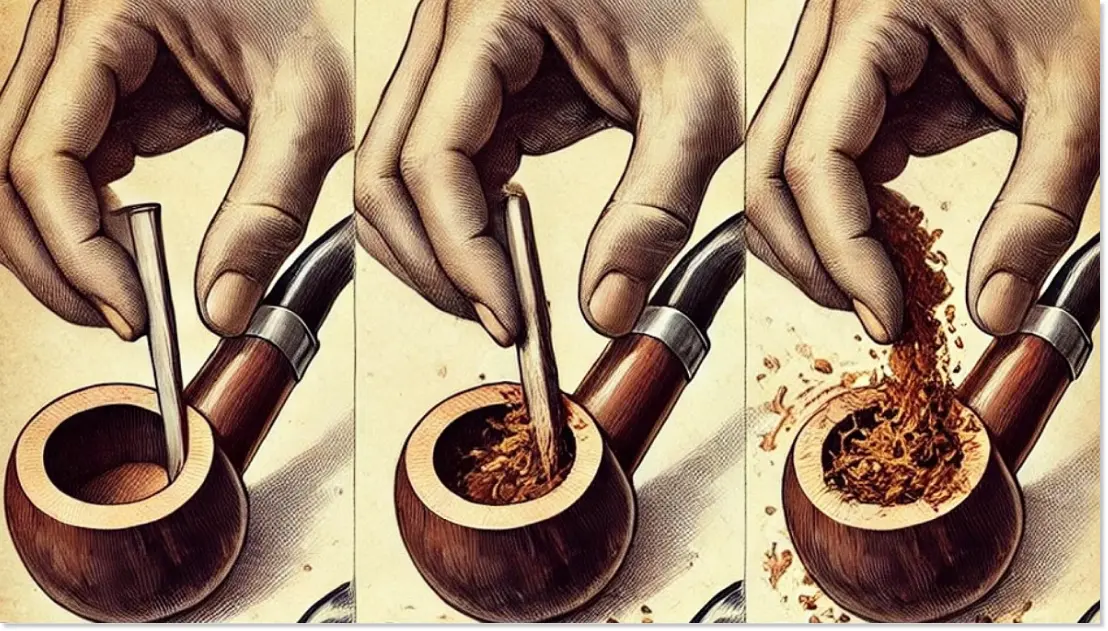
2. The Frank Method
This pipe-loading method was developed by a pipe smoker, Achim Frank, and is named after him. Most people use this technique to prevent overpacking and ensure a long burn. The procedure is simple and does not take much time however, the firmness in the hands and fingers is required to apply appropriate pressure while filling up. To learn how to pack a pipe using this technique, read the steps mentioned below:
Step 1. Tobacco Ball
Start by taking up the tobacco and creating a smooth ball of it with your fingers. The size of the ball must be enough to easily adjust within the smoking pipe bowl.
Step 2. Gentle Tucking
Next, place the tobacco on top of the bowl without pressing it down, and use your fingers to gently tuck the edges in. This will ensure an even fill without compacting the tobacco too much.
Step 3. Final Check
Once you have placed the tobacco, tap on the pipe to settle the contents and allow airflow adjustments. Finally, perform a test draw to ensure a smooth but slightly resistant airflow before lighting.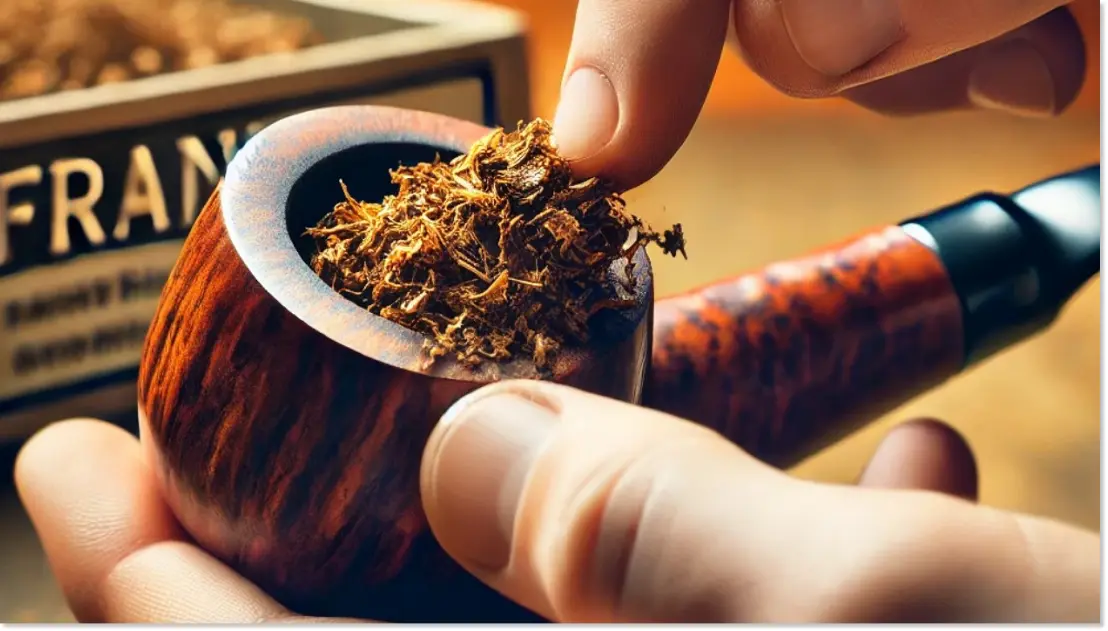
3. The Gravity Method
Have you just picked up this hobby and do not know how to load a pipe? The Gravity method must be your preference since the technique requires you to begin with gravity loading tobacco into the chamber. Afterward your job is to apply pressure at different stages and varied degrees. Here’s the step-by-step method to follow when you want to pack your pipe:
Step 1. Gravity Fill
Put the pipe on a flat surface, such as a table and then sprinkle the tobacco inside to fill it instead of stuffing and let gravity do the job.
Step 2. Natural Settling
Next, allow the content to style down on its own and fill in some more tobacco. Once the bowl is full, gently press the tobacco until it feels firm but not compact.
Step 3. Charring Light
After packing the pipe and checking the draw, put a charring flame to light up the pipe and enjoy a consistent burn.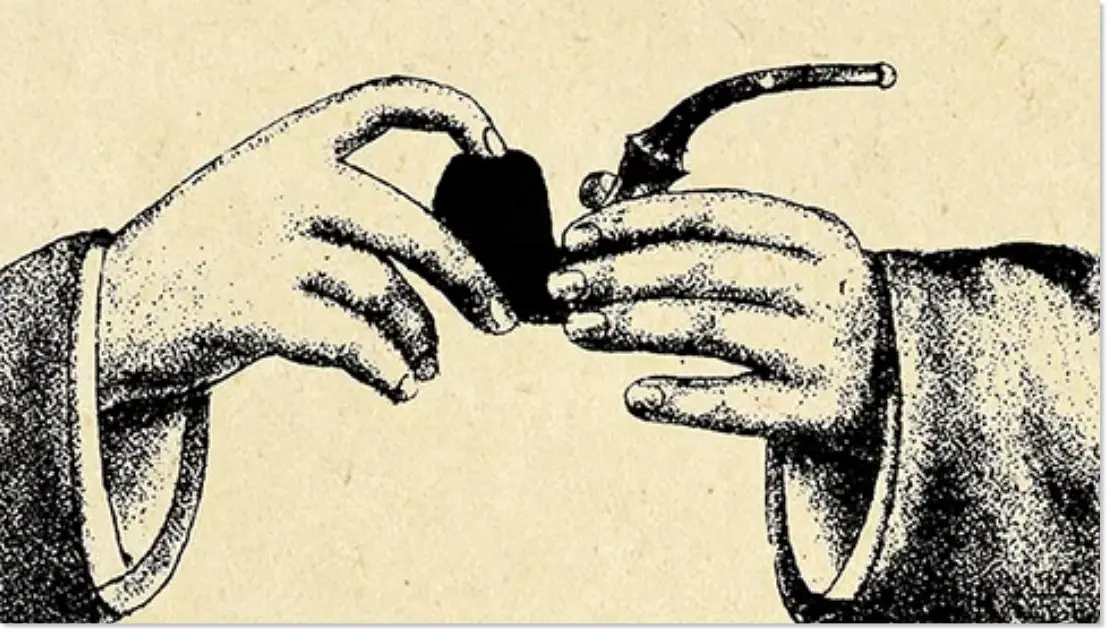
Frequently Asked Questions
1. Do different types of pipes have their packing needs?
Different pipes require different techniques to ensure a smooth draw. Factors like bowl size and material affect airflow, so choosing the right method enhances the smoking experience.
2. How to address an overly tight pack and a loose pack?
For a tight pack, gently loosen the tobacco to improve airflow. If the pack is too long, the tobacco may burn too quickly or go out frequently. Finding the right balance ensures a consistent draw and prevents difficulties in lighting or maintaining the burn.
Conclusion
To conclude, this article discussed various methods on how to pack a pipe conveniently using the right techniques. By following these methods for smoking you will be able to enjoy your experience to the fullest. Whether you are an experienced smoker or a new one trying this experience, you might need to learn the techniques to fill and pack the pipe while ensuring a convenient draw.